
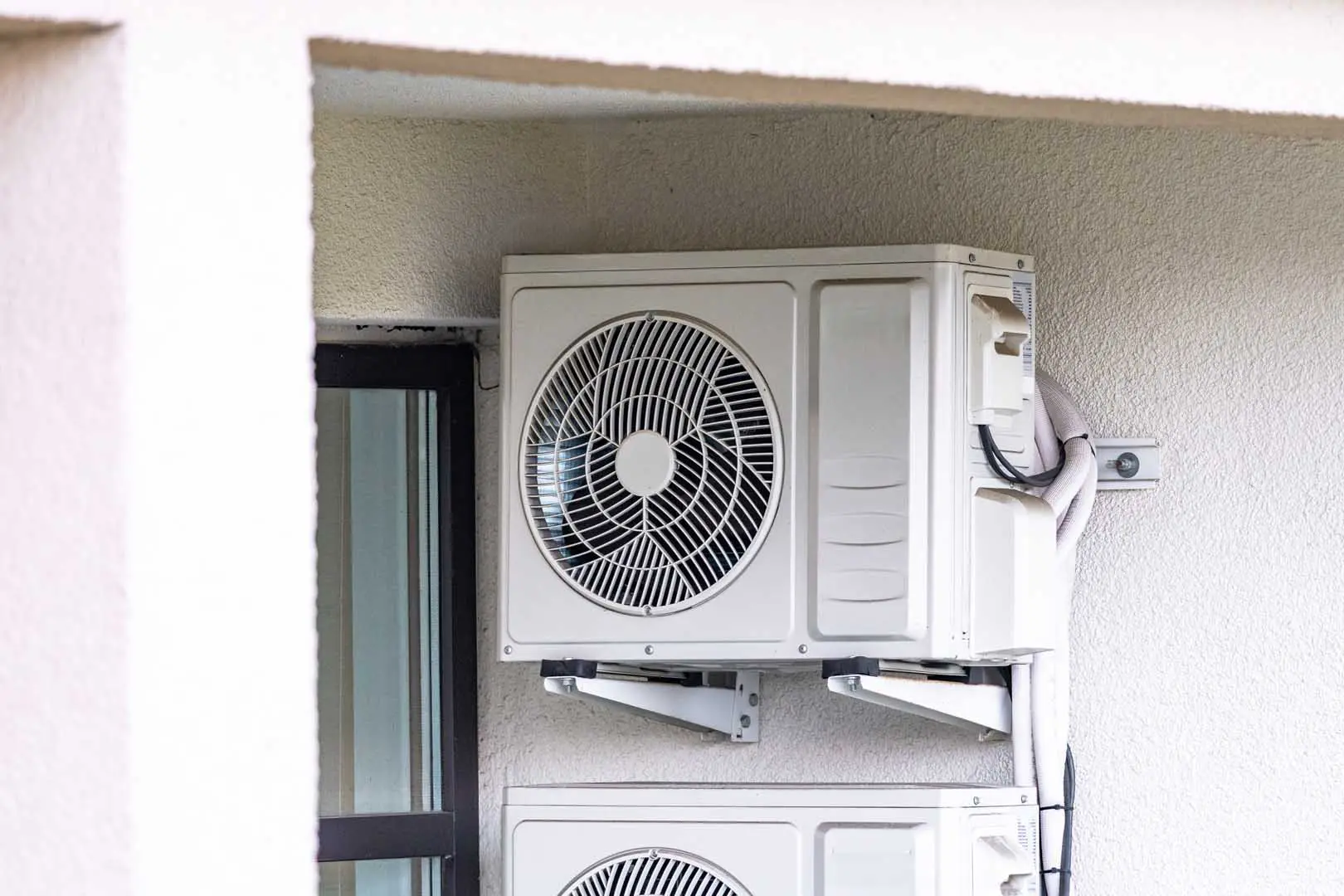
Heat pumps can be an effective heating solution for Virginia homeowners, including during the colder winter months. Because Virginia generally experiences milder winters than regions farther north, heat pumps can provide efficient, year-round comfort for many homes. However, performance depends on the outdoor temperature, the type of heat pump installed, and how well the system is sized and maintained.
If you’re considering a heat pump for your home or already rely on one for heating, understanding how it works in cold weather can help you make informed decisions about your home’s comfort.
How Do Heat Pumps Work in Cold Weather?
Unlike a traditional furnace, which generates heat by burning fuel or using electricity, a heat pump transfers heat from one place to another. During winter, it extracts heat energy from the outdoor air and moves it inside your home.
Even when outdoor temperatures feel cold, the air still contains heat energy. A heat pump uses refrigerant and a compressor to move that energy indoors.
As outdoor temperatures drop, extracting heat becomes more difficult, and the system may need to work harder to maintain your desired indoor temperature. Modern cold-climate heat pumps are designed to continue operating efficiently at lower temperatures than many older models.
Are Heat Pumps a Good Choice for Virginia Winters?
For many homeowners in Richmond, Henrico, Midlothian, and surrounding Virginia communities, heat pumps can be a practical option for year-round heating and cooling.
There are several reasons homeowners choose heat pumps:
- Heating and cooling in one system: A heat pump can warm your home in winter and cool it during Virginia’s hot, humid summers.
- Energy efficiency: Heat pumps move existing heat rather than relying solely on generating it, which can make them highly efficient under suitable conditions.
- Consistent comfort: A properly selected and installed system can help maintain comfortable indoor temperatures throughout the year.
- Flexible heating options: Some homes use a heat pump alongside a supplemental heating system to provide additional warmth during colder weather.
The best choice depends on your home’s heating needs, existing equipment, insulation, and budget. A professional HVAC evaluation can help determine whether a heat pump is appropriate for your property.
Do Heat Pumps Work When Temperatures Drop Below Freezing?
Yes. Many heat pumps can continue heating a home when outdoor temperatures fall below freezing. However, their heating capacity and efficiency can decrease as temperatures drop.
Some systems are specifically designed for cold climates and can provide substantial heating output in very low temperatures. Other models may rely more heavily on supplemental heat during especially cold weather.
Your system’s performance depends on its model, condition, installation, and the temperature outside. If your heat pump struggles to maintain your thermostat setting during a cold spell, it may be worth having the system evaluated.
What Is Auxiliary Heat, and When Does It Turn On?
Auxiliary heat is an additional heat source that helps your heat pump maintain the desired indoor temperature when the system needs extra support.
Depending on your home’s setup, this may be electric resistance heat or another supplemental heating source. In a dual-fuel system, a furnace may provide additional heat under certain conditions.
You may notice an indicator such as “AUX HEAT” on your thermostat during cold weather. This does not automatically mean something is wrong. Auxiliary heat may activate when outdoor temperatures fall, when your home needs to recover from a significant temperature setback, or when the system cannot meet the heating demand using the heat pump alone.
However, if auxiliary heat runs frequently or your energy bills increase unexpectedly, a professional inspection can help determine whether the system is operating as intended.
How Can You Keep Your Heat Pump Working Efficiently in Winter?
A few simple habits can help support reliable heating throughout the winter.
Replace or Clean Your Air Filter
A dirty air filter restricts airflow and can make your system work harder. Check your filter regularly and follow the manufacturer’s recommendations for cleaning or replacement.
Keep the Outdoor Unit Clear
Remove leaves and other loose debris from around your outdoor unit. Maintain the manufacturer’s recommended clearance so air can move freely through the equipment.
Avoid Constant Thermostat Adjustments
Heat pumps often operate differently from traditional furnaces. Large thermostat setbacks may trigger supplemental heating when the system works to bring your home back to the desired temperature. Ask your HVAC professional about the best thermostat strategy for your specific system.
Schedule Professional Maintenance
Routine maintenance allows a technician to inspect the equipment, check system operation, and identify potential problems before they interfere with winter comfort.
When Should You Have Your Heat Pump Inspected?
Consider scheduling professional service if you notice:
-
- Your home cannot reach the thermostat setting.
- The system runs for unusually long periods without maintaining comfort.
- Your energy bills increase without an obvious explanation.
- You hear unusual noises or notice unusual odors.
- The outdoor unit develops persistent, heavy ice buildup.
- Auxiliary heat appears to run much more often than expected.
Some frost on an outdoor heat pump is normal in cold, damp weather. Many systems periodically enter a defrost cycle to remove that frost. Thick ice that remains on the unit or interferes with its operation, however, deserves professional attention.
Frequently Asked Questions About Heat Pumps in Virginia
Are heat pumps efficient in Virginia?
Heat pumps can be highly efficient in Virginia because the region’s relatively moderate winters often allow them to operate under favorable conditions. Actual efficiency depends on the equipment, outdoor temperature, installation quality, and home.
Should I turn off my heat pump when it gets very cold?
Generally, you should leave your system operating according to its normal thermostat settings rather than switching it off whenever temperatures drop. Follow the manufacturer’s instructions and consult an HVAC professional if you are unsure how your system should operate during extreme cold.
Do heat pumps need a backup heating system in Virginia?
Not every home requires a separate backup system. Some heat pumps can meet a home’s heating needs independently, while others use supplemental heat during colder conditions. Proper equipment selection and system sizing are important.
How long do heat pumps last?
Lifespan varies with equipment quality, installation, operating conditions, and maintenance. If your system needs frequent repairs or no longer keeps your home comfortable, have it evaluated to determine whether repair or replacement makes sense.
Get Help Preparing Your Heat Pump for Winter
A properly selected and maintained heat pump can provide dependable heating through Virginia’s winter months and cooling throughout the summer.
Mid-Atlantic Mechanical & Repair serves homeowners in Richmond, Henrico, Midlothian, Chesterfield, Mechanicsville, and surrounding Virginia communities. If your heat pump is struggling to keep up with colder weather or you’re considering an upgrade, our team can help you understand your options.
Call (804) 887-3236 to discuss your home’s heating needs with Mid-Atlantic Mechanical & Repair.