
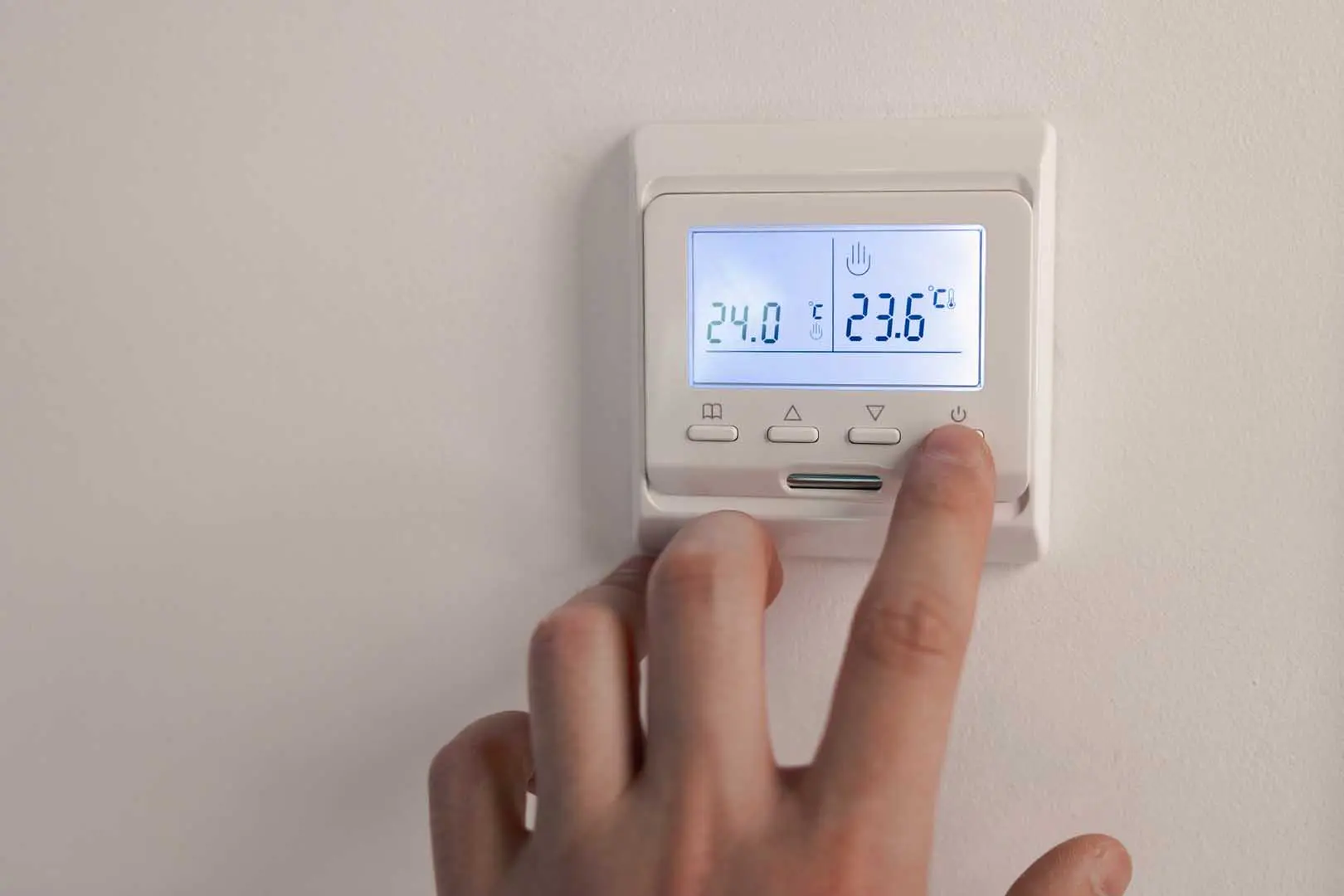
For many households, a thermostat setting around 68°F while awake and at home is a reasonable starting point for winter comfort and energy savings. The best temperature for your home depends on your comfort preferences, health needs, insulation, and heating system.
For homeowners in Richmond and throughout Virginia, finding the right thermostat setting can help balance indoor comfort with heating costs as temperatures drop.
What Is the Best Temperature to Set Your Thermostat in Winter?
The U.S. Department of Energy recommends setting your thermostat as low as is comfortable while you’re awake and lowering it while you’re asleep or away from home, when appropriate.
A setting of approximately 68°F while you’re home and awake is a common starting point. You may prefer a slightly warmer or cooler temperature depending on your household.
Rather than focusing on one perfect setting, consider these practical guidelines:
- When you’re home and awake: Try around 68°F and adjust based on comfort.
- When you’re sleeping: Consider a modest temperature reduction if it remains comfortable and safe.
- When you’re away: Lowering the temperature may reduce heating demand, depending on your system and circumstances.
- When outdoor temperatures are very low: Make sure the home stays warm enough to protect occupants and plumbing.
These are starting points, not strict rules. People who are sensitive to cold, including some older adults and infants, may need a warmer indoor environment.
Should You Lower Your Thermostat at Night?
Lowering your thermostat at night can help reduce heating costs because your home loses heat more slowly when the indoor temperature is closer to the outdoor temperature.
However, the best approach depends on your heating system.
With many conventional furnaces, reducing the temperature while you’re sleeping or away and raising it when you return can help save energy.
Heat pumps require a little more consideration. Some heat pumps use supplemental electric resistance heat when recovering from a large temperature setback. Depending on the equipment and thermostat configuration, that supplemental heat can be more expensive to operate.
If you have a heat pump, ask your HVAC professional whether a steady temperature or a modest setback is the best strategy for your specific system.
What Temperature Should I Set My Heat Pump to in Winter?
A heat pump can often maintain comfortable indoor temperatures efficiently without frequent, large thermostat adjustments.
For many homes, starting around 68°F and adjusting gradually is a practical approach. Your ideal setting may differ based on your system’s capacity, outdoor temperatures, and comfort preferences.
Keep these tips in mind:
- Avoid making large, frequent temperature changes without understanding how your system responds.
- Learn how your thermostat controls auxiliary or emergency heat.
- Use the operating settings recommended by your heat pump manufacturer.
- If your system struggles to maintain the set temperature, have it inspected rather than continually raising the thermostat.
If your thermostat displays AUX HEAT, that doesn’t automatically indicate a problem. However, frequent auxiliary heat operation or unexpectedly high energy bills may warrant a professional evaluation.
Can Turning Down the Thermostat Really Lower Heating Bills?
It can. Lowering your thermostat when appropriate reduces the difference between your home’s indoor temperature and the outdoor temperature, which can reduce heat loss.
How much you save depends on factors such as your home’s insulation, outdoor conditions, heating system, and how long the temperature remains lower.
You don’t need to make your home uncomfortable to manage energy use. Even a modest adjustment may help, and using a programmable or smart thermostat can make it easier to maintain a schedule.
Why Does My House Still Feel Cold at 68°F?
If your thermostat reads 68°F but your home feels chilly, the issue may involve more than the temperature setting.
Possible causes include:
Drafts and Poor Insulation
Cold air entering around windows, doors, and other openings can make a room feel colder. Insulation problems can also allow heat to escape more quickly.
Uneven Heating
If some rooms feel comfortable while others remain cold, the problem may involve ductwork, airflow, insulation, or the way your HVAC system distributes heat.
Thermostat Location
A thermostat located near a draft, heat source, or particularly warm area may not accurately represent the temperature throughout your home.
HVAC Performance Problems
A dirty filter, equipment issue, or improperly balanced system may affect heating performance. If your system runs frequently but cannot maintain a comfortable temperature, a professional inspection can help identify the cause.
Should I Leave My Thermostat at One Temperature All Day?
You don’t necessarily need to keep your thermostat at the same setting all day. A programmed schedule can be useful, especially when your household follows a predictable routine.
For a conventional furnace, lowering the temperature while you’re away or asleep may help reduce energy use.
For a heat pump, avoid assuming that a large setback is always the most efficient option. Some systems may use supplemental heat to recover from the lower setting, potentially reducing the savings.
The best approach is to understand your equipment and choose a schedule that supports both comfort and efficient operation.
Other Ways to Keep Your Home Comfortable in Winter
Your thermostat is only one part of your home’s overall heating performance. You can also:
- Replace or clean HVAC filters according to manufacturer recommendations.
- Seal noticeable drafts around windows and doors.
- Keep supply and return vents clear of furniture and other obstructions.
- Use window coverings strategically to manage heat loss.
- Schedule professional HVAC maintenance before the coldest weather arrives.
- Address rooms that consistently feel colder than the rest of the house.
These steps can help your home feel more comfortable without relying solely on raising the thermostat.
Frequently Asked Questions
Is 72°F too high for a thermostat in winter?
Not necessarily. A setting of 72°F may be comfortable for your household, but a lower setting may reduce heating energy use. Your ideal temperature depends on personal comfort, health needs, and your heating system.
What is the best thermostat setting when I’m away on vacation?
The appropriate setting depends on the length of your absence, outdoor temperatures, plumbing exposure, and heating system. Avoid setting the temperature so low that pipes could freeze. Consider manufacturer guidance and any recommendations from your HVAC professional.
Should I turn my heat off when I leave the house?
In cold weather, turning the heat completely off can allow indoor temperatures to drop too far and increase the risk of frozen pipes. A lower, appropriate setback is generally a safer approach than shutting the system off entirely.
Does a smart thermostat help lower heating costs?
A smart or programmable thermostat can help manage heating schedules and reduce unnecessary heating when you’re asleep or away. The savings depend on how you use it and whether the settings are compatible with your HVAC system.
Why is my heat pump using auxiliary heat?
Auxiliary heat may activate when outdoor temperatures are low, when the home needs to recover from a temperature setback, or when the heat pump needs additional heating capacity. If it runs unusually often, have the system checked.
Get More From Your Heating System This Winter
The right thermostat setting can help you balance comfort and energy use, but persistent cold spots, rising utility bills, or a system that struggles to maintain the desired temperature may point to a larger issue.
Mid-Atlantic Mechanical & Repair helps homeowners throughout Richmond, Henrico, Midlothian, Chesterfield, Mechanicsville, and nearby Virginia communities maintain comfortable homes throughout the year.
If you have questions about your heating system or want to discuss replacement options, call (804) 887-3236 to speak with Mid-Atlantic Mechanical & Repair.