
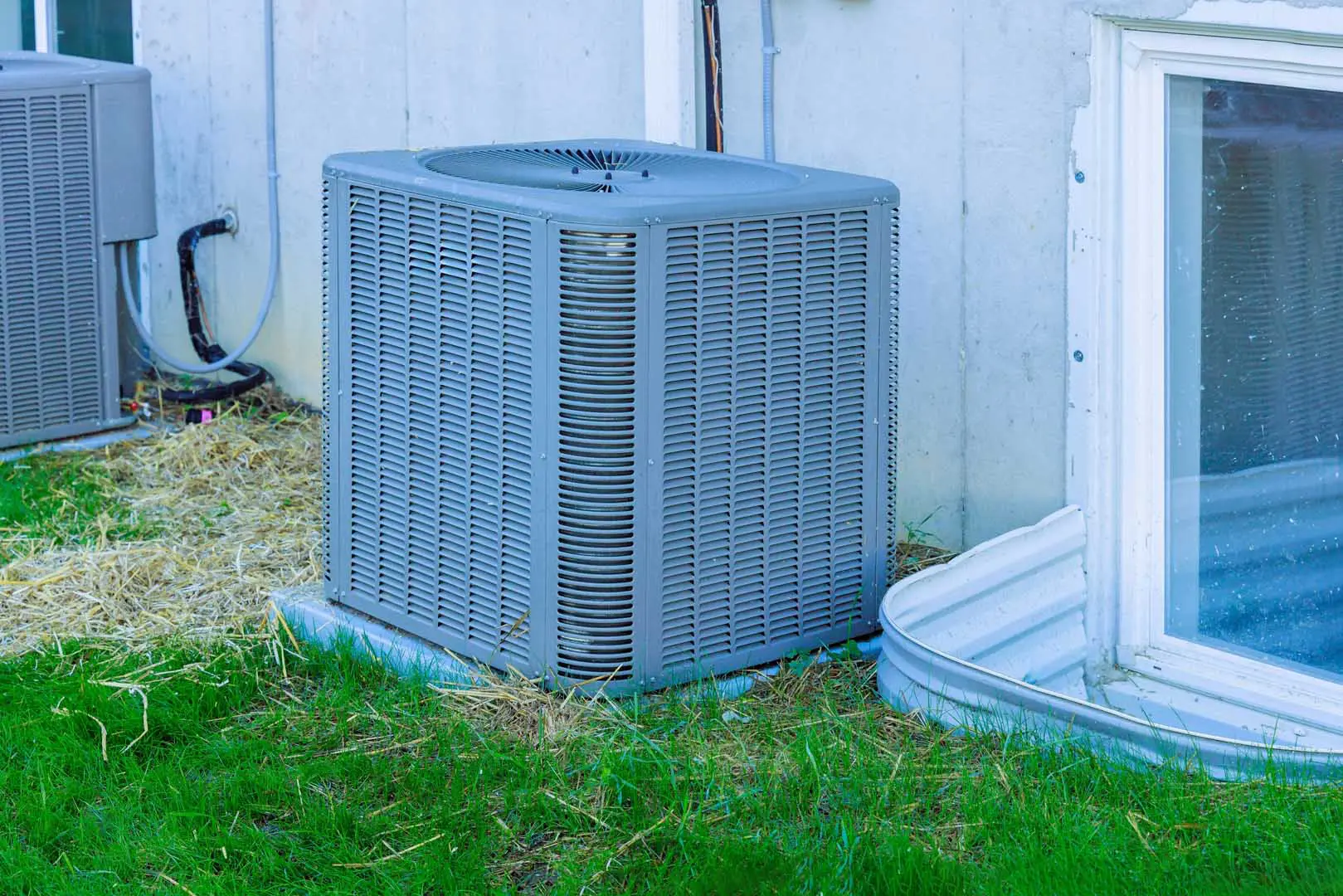
One of the most common questions we hear from homeowners is, “How do I know when it’s time to replace my HVAC system?”
The truth is, most heating and cooling systems don’t simply stop working overnight. In many cases, they begin showing warning signs months—or even years—before replacement becomes necessary. Paying attention to those signs can help you avoid an unexpected breakdown during the hottest or coldest time of the year.
If you’re considering an HVAC system replacement, here are seven signs we recommend watching for.
1. Your Home Isn’t Comfortable Like It Used to Be
One of the first things homeowners notice is that certain rooms no longer feel comfortable.
Maybe the upstairs is warmer than it used to be, or one side of the house always feels colder than the rest. If your system once maintained even temperatures but now struggles to keep up, it’s a good indication that something has changed.
While this doesn’t always mean replacement is necessary, it’s certainly worth having the system evaluated.
2. Your HVAC System Runs Almost Constantly
Your HVAC equipment should cycle on and off throughout the day.
If you find that it’s running almost nonstop just to maintain your thermostat setting, the system may be losing efficiency. Older equipment often has to work much harder to provide the same level of comfort it once did.
When we inspect these systems, we look at both their overall condition and how efficiently they’re operating before recommending a repair or replacement.
3. Your Energy Bills Keep Climbing
Many homeowners first realize something is wrong when they receive a higher-than-normal utility bill.
As HVAC systems age, they naturally become less efficient. That means they use more energy to produce the same amount of heating or cooling.
If your energy costs have steadily increased without another obvious explanation, your HVAC equipment may simply be working harder than it should.
4. You’re Hearing New or Unusual Noises
Every HVAC system makes some normal operating sounds.
However, banging, rattling, squealing, or other unusual noises shouldn’t be ignored. Strange sounds can indicate worn components or additional mechanical problems developing inside the system.
Rather than continuing to invest in repairs on an aging system, we’ll evaluate whether replacement would be the more cost-effective long-term solution.
5. Your System Is More Than 12 to 15 Years Old
Age alone doesn’t automatically mean you need a new HVAC system.
We’ve seen systems last well beyond their expected lifespan. At the same time, most residential systems are designed to last around 14 to 15 years with proper care and maintenance.
If your equipment is reaching that age and beginning to experience more frequent issues, it’s often a good time to start planning instead of waiting for a complete failure.
6. Repairs Are Becoming More Expensive
We always want homeowners to make the decision that makes the most financial sense.
If your HVAC system is around 12 years old or older and a major repair costs more than about one-third of what a new system would cost, replacement is often the better investment.
A new system provides a fresh manufacturer’s warranty while helping reduce the likelihood of additional costly repairs in the near future.
Sometimes what seems like a simple HVAC repair ends up being a much larger issue once we inspect the equipment. Our goal is to explain your options clearly so you can decide what’s best for your home and budget.
7. You’re Constantly Adding Refrigerant or Fixing the Same Problem
We’ve worked with homeowners who added refrigerant every summer just to keep their air conditioner running one more season.
While that may seem like the less expensive option at first, those repeated service calls eventually add up. In many cases, homeowners end up spending hundreds of dollars year after year before the system finally fails during a stretch of extremely hot weather.
Planning for an AC replacement before that happens often saves both money and frustration.
Every Home Is Different
No two homes are exactly alike, and neither are their HVAC systems.
In many situations, replacing your existing equipment with a similar system makes the most sense. In others, we may recommend improvements based on your home’s size, your comfort needs, or the condition of the existing equipment.
Our job isn’t to sell you something you don’t need. It’s to evaluate your current system, explain what we’re seeing, and help you make an informed decision.
Whether you’re considering an HVAC system replacement, heat pump replacement, or furnace replacement, taking the time to understand your options now can help you avoid emergency decisions later.
Don’t Wait Until Your System Quits
Many homeowners wait until their HVAC system completely stops working before thinking about replacement. Unfortunately, that often happens during the hottest days of summer or the coldest days of winter, when you have the least amount of time to weigh your options.
If your system is showing several of these warning signs, scheduling a professional evaluation now gives you the opportunity to understand its condition before you’re faced with an emergency.
Ready to Learn More?
If you think your HVAC system may be nearing the end of its life, we’re happy to evaluate its condition and answer your questions. Our goal is to help you understand your options so you can make the decision that’s right for your home—whether that’s a repair today or a replacement when the time is right.