
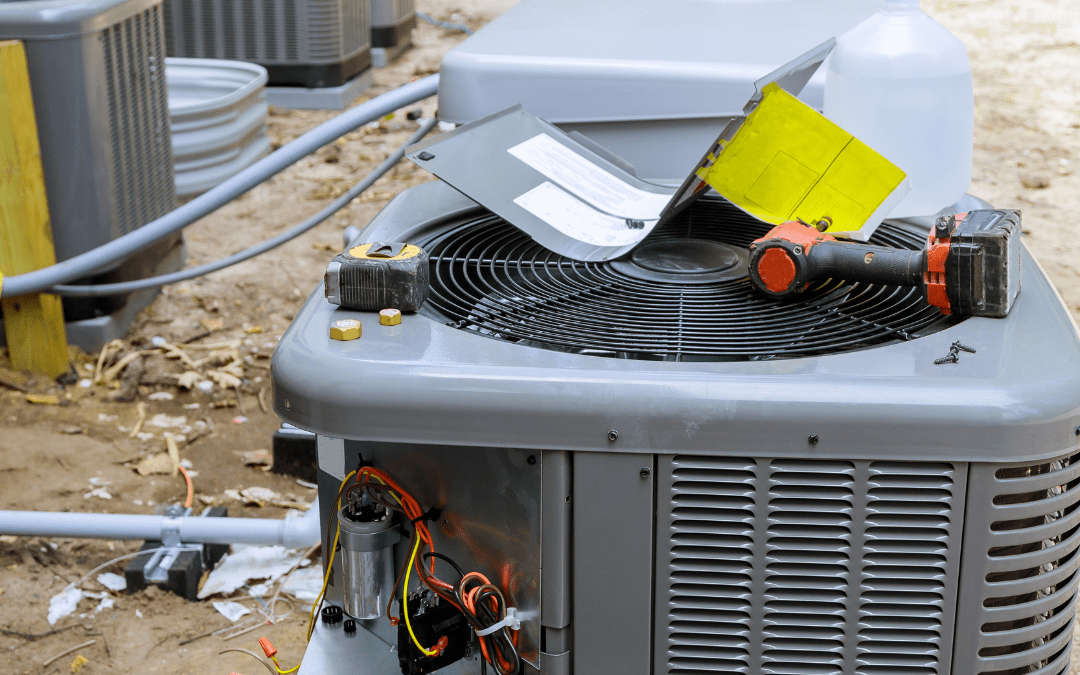
Your HVAC system is one of the most important components of your home, responsible for maintaining comfort through every season. But even the most reliable systems don’t last forever. Over time, wear and tear can reduce performance, increase energy usage, and lead to costly repairs.
Understanding the warning signs of a failing system can help you make a smart, proactive decision—before you’re stuck dealing with a complete breakdown.
Here are five key signs it may be time for an HVAC system replacement.
1. Your Energy Bills Keep Increasing
If your energy bills are steadily rising without a clear explanation, your HVAC system may be losing efficiency.
As systems age, internal components begin to wear down, forcing the unit to work harder and run longer to maintain the same temperature. This increased workload leads to higher energy consumption—and higher monthly costs.
You might notice:
- Longer run times
- Higher-than-normal utility bills
- Reduced heating or cooling output
Many homeowners begin researching HVAC system replacement options after noticing these patterns. Upgrading to a newer, energy-efficient system can significantly reduce energy usage and improve overall performance.
2. You’re Dealing with Frequent Repairs
While occasional maintenance is expected, frequent repairs are a major red flag.
If your system is breaking down multiple times a year or requiring expensive part replacements, those costs can quickly add up. Components like compressors, blower motors, or heat exchangers can be costly to repair—and may only provide a temporary fix.
Signs your system is becoming unreliable:
- Repeated service calls
- Increasing repair costs
- Parts failing one after another
In these cases, many homeowners find that investing in a full HVAC replacement is more cost-effective than continuing to pay for ongoing repairs.
3. Uneven Temperatures Throughout Your Home
An HVAC system should provide consistent comfort throughout your entire home. If you’re experiencing uneven temperatures, your system may no longer be functioning properly.
Common issues include:
- Hot and cold spots in different rooms
- Weak airflow from vents
- Difficulty maintaining your thermostat setting
These problems can be caused by aging equipment, improper system sizing, or declining performance over time.
In many cases, upgrading your system—such as through an AC replacement or complete HVAC upgrade—can restore balanced airflow and consistent indoor temperatures.
4. Your System Is 10–15+ Years Old
Age is one of the biggest factors in determining whether it’s time for a replacement.
Typical HVAC system lifespans:
- Air conditioners: 10–15 years
- Heat pumps: 10–15 years
- Furnaces: 15–20 years
Even if your system is still running, it may not be operating efficiently. Older systems lack the advanced technology found in newer models, which are designed to deliver better performance while using less energy.
If your system is reaching the end of its lifespan, upgrading through an HVAC system replacement can improve reliability, reduce repair needs, and lower long-term costs.
5. Your System Uses Outdated Technology or Refrigerant
Older HVAC systems often rely on outdated technology that can limit performance and increase operating costs.
For example, systems that use older refrigerants (like R-22) are becoming more expensive to maintain due to limited availability. In addition, older units typically lack modern features that improve comfort and efficiency.
Upgrading to a newer system can provide:
- Higher energy efficiency ratings
- Improved indoor air quality
- Quieter operation
- Smart thermostat integration
- More environmentally friendly performance
Depending on your home’s setup, this may involve a heat pump replacement, furnace replacement, or a complete system upgrade.
Repair vs. HVAC Replacement: How to Decide
If you’re unsure whether to repair or replace your system, it’s important to look at the bigger picture.
Consider:
- Repair frequency: Are issues becoming more common?
- System age: Is your unit nearing the end of its lifespan?
- Cost of repairs: Are repairs becoming more expensive?
- Energy efficiency: Are your utility bills increasing?
A commonly used guideline is the “50% rule”—if the cost of a repair is more than half the cost of a new system, replacement is often the better investment.
Choosing an HVAC replacement can provide long-term savings, improved comfort, and peace of mind.
Is It Time for an HVAC System Replacement?
Replacing your HVAC system is a major decision—but waiting too long can lead to unexpected breakdowns, higher costs, and unnecessary stress.
By recognizing the signs early, you can plan ahead and choose a system that fits your home, budget, and comfort needs.
A modern HVAC system offers:
- Better energy efficiency
- More consistent indoor temperatures
- Lower monthly utility bills
- Increased home value
If your current system is showing signs of wear, now may be the right time to start exploring your options for an HVAC system replacement